Educationists’ ideas can be grouped into three general ideas about the purpose of education. These are:
- to socialise people.
- to ensure that each individual develops to their full potential.
- to ensure that people have certain important kinds of knowledge.
The modern meaning of education is derived from Socrates’ idea educere from the Latin ducere, meaning to lead or draw out (Turner, 1998).
Plato sets out a model for a civil society that is hierarchical. At the top of the classes are the guardians of society or philosopher kings. He also describes a model for education that is designed to develop the abilities of the philosopher kings, although this became highly selective and took many years to progress through each stage. The full benefits of this system were only available to the elite. Could this also be the foundation for private schools? To develop future ‘philosopher kings’ that would govern the Country and make laws that inevitably assist higher classes at the expense of the working class?
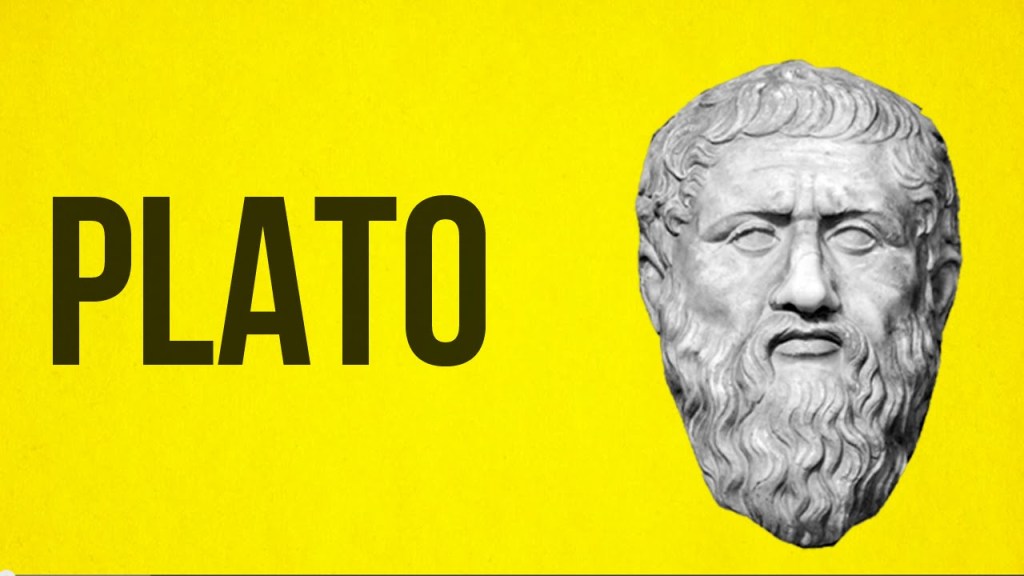
Plato’s education system was knowledge-centered, and the curriculum is developed from knowledge that is valued, not because it is useful, but because it develops the mind in a particular way. The traditional ‘academic’ curriculum; quadratic equations, Shakespeare, Latin and Greek, classical history etc is based on this idea.
Plato’s education system was designed to produce a stable, secure and just society, in which everyone would know their place, and be happy. Plato’s definition, however, lacks an important component of happiness – passion. I believe true happiness involves the active and passionate pursuit of a goal. Developing gratitude and a sense of subjective wellbeing is important in the attainment of happiness and the consequences including optimism and higher creativity.
There are five ways to develop happiness (Foresight, 2008):
- give
- take notice
- be active
- connect
- keep learning
Thus, the inclusion of inquiry-based learning, on a foundation of a topic that interests a student, is imperative to the success of education in schools today. It is also interesting to note that keeping learning and taking notice (of the world around them) are two important concepts to happiness.

Plato also used the allegory of the cave as a metaphor for the human condition believing that people who do not examine their lives (or take notice) were doomed to live like prisoners in a cave. The prisoners are shackled to the ground and can only see shadows, which are created by artificial light and manipulated by unseen overlords. The prisoners do not have a true concept of their existence and therefore do not possess knowledge to try to change it or a desire to be free. Only by leaving the cave can the prisoners learn true knowledge and existence, deciphering what is real and what is untrue.
I believe this can be a metaphor for not only life but also education. Only by developing an enquiring mind can we leave our daily routine of looking at the shadows and enter a world filled with light and life. We as teachers should be presenting students paths on how to inquire into the world around us, to be free from the shackles of the past and emerge as critical thinkers, knowledge seekers and with a developing thirst for lifelong learning.

References:
Foresight Mental Capital and Wellbeing Project (2008). The Government Office for Science, London. Retrieved March 17, 2019 from https://assets.publishing.service.gov.uk/government/uploads/system/uploads/attachment_data/file/292450/mental-capital-wellbeing-report.pdf
Turner, J. (1998). Turns of phrase and routes to learning. The journey metaphor in educational culture. Intercultural Communication Studies, 7, 23-36. olorful Accent

 MyProvocations
Plato lived in a time that was far more hierarchical than modern times hence his views on education do not promote equality. His philosophy does include physical, spiritual, emotional and mental components, showing Plato understood how education systems work far better when they incorporate more than just learning content.
It is interesting that Plato’s education system does not promote critical thinking, as this can lead to dissent and rebellion. I believe the main reason why he did not include passion as a component of happiness is because life was much harsher in those times; many citizens would be happy with shelter and food on the table and as these people worked hard all day just to get by they did not have time to get bored and taking care of their families and neighbours gave people a sense of purpose. As you stated philosophy and education in general was reserved primarily for the higher classes.
While pursuing a goal can give happiness due to a sense of purpose, I do not think this gives lasting happiness because this can create extreme disappointment if the goal is not fulfilled, or once the goal is reached it is discover that the goal is almost meaningless. I agree that having a sense of gratitude, regardless of ones’ financial situation, and being active are important for happiness.
A good summary of the cave metaphor – yes this is applicable to life and our education. It also includes having an open mind and being able to follow someone else’s advice even when scared, because the path to enlightenment is not easy.
LikeLike
Sarah you have made many excellent points that I agree whole heartedly with. Plato’s educational prerogative tends towards favouring academic based subjects with no regard to the importance of learning to benefit everyday life. I believe that knowledge should be something that is practical in everyday life. Plato’s influence on education was significant to its development but no longer holds the same importance as it did back in ancient times. Education is changing constantly, so much so that it is not the same as it was 10 years ago. We can no longer use Plato’s teaching methods the way they were meant to be used as it does not fit into our modern schooling system.
Furthermore, I also agree with your beliefs on the role of the teacher in that they act as a guiding light out of the uneducated realm (Plato’s cave). Children need help to be educated and rather than forcing them into it we must guide them down their own path. Additionally I find happiness vital to a child’s learning but can this happiness be achieved all the time? Are there not some aspects of learning that are important for achieving normal daily tasks but children may not want to learn ? I believe that certain parts of education are vital and should be taught to students regardless if they want to learn it or not. Overall it was a thought provoking blog post and has made me think deeper about my own teaching philosophy.
LikeLike